Soir Records
1. The Night a Video Game Became Electronic Music’s Most Powerful A&R
If you still believe the global explosion of Afro House, Melodic House, and deep percussive club music over the past five years was engineered exclusively on the beaches of Tulum or the closing terraces of Ibiza, you missed the largest cultural Trojan horse in modern entertainment. Rewind to December 2020. The world’s physical nightclubs were bolted shut, festival fields stood empty, and the global touring economy was frozen in suspended animation. Inside that vacuum, Rockstar Games invited Berlin collective Keinemusik (&ME, Rampa, and Adam Port) to headline a virtual beach party in GTA Online: The Cayo Perico Heist, alongside underground stalwarts Moodymann and Palms Trax at the subterranean virtual venue The Music Locker.
Overnight, tens of millions of console and PC players—many of whom had never stepped foot inside DC-10, Panorama Bar, or Scorpios Mykonos—spent hours piloting avatars across a digital Caribbean island while hypnotized by unquantized shakers, warm analog Moog basslines, and deep polyrhythmic house. For an entire generation of Gen-Z and Millennial listeners, Cayo Perico was not merely a gaming expansion; it was their first encounter with the aesthetic, pacing, and visual vernacular of the contemporary underground.
Five months later, in May 2021, Rockstar Games formalized that cultural marriage by partnering with Ibiza’s iconic Monday-afternoon institution Circoloco to launch CircoLoco Records. Rather than operating as a novelty gaming merchandising arm, the imprint released genuine club weapons—from Mochakk’s funk-laced single "Jealous" to cuts by Rampa, Prospa, Chloé Caillet, Carlita, and Skrillex—that dominated real-world festival sound systems from Miami to Amsterdam.
Now, as we stand in late October 2026—less than a month away from the historic November 19, 2026 launch of Grand Theft Auto VI (GTA 6)—the stakes have multiplied by an order of magnitude. With Rockstar Games unveiling the first wave of GTA 6 radio stations, DJs, and soundtrack details ahead of release, every major electronic label, publishing house, and sync agency from London to Los Angeles is bracing for a seismic shift in how global club titans are crowned.
2. From Los Santos to Leonida: Why Vice City’s Sonic Geography Belongs to Afro-Latin and Hypnotic House
To understand why GTA 6 will disproportionately accelerate Afro House, Latin Tech, and Melodic Club music over the next decade, one must examine the geographical DNA of Rockstar’s world-building. When Grand Theft Auto V launched in 2013, its fictional state of San Andreas (modeled on Southern California) was sonically anchored in West Coast G-funk, Los Angeles beat-scene electronica, indie sleaze, and sun-bleached synth-pop. Later updates like After Hours (2018) brought Dixon, Tale Of Us, The Black Madonna, and Solomun into Los Santos nightclubs, foreshadowing the melodic techno boom of the late 2010s.
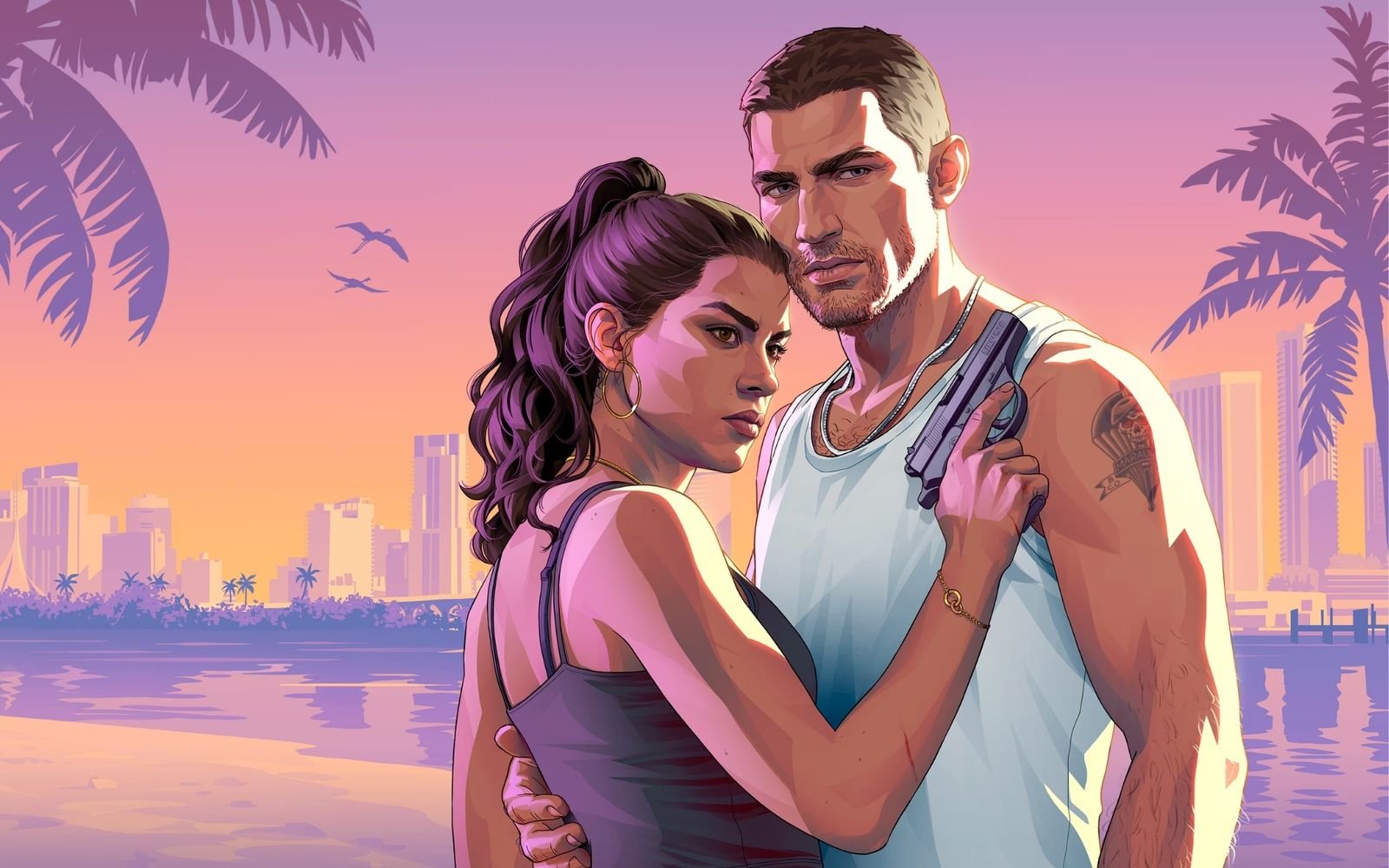
GTA 6, however, trades the Pacific coast for Vice City and the sprawling state of Leonida—a hyper-realist mirror of contemporary Miami and South Florida. In the real world, Miami is no longer defined solely by the neon synth-wave nostalgia of 1986 or the EDM mainstage pyrotechnics of early-2010s Ultra. Today’s Miami nightlife is the undisputed western capital of marathon terrace culture, Afro-Caribbean and Latin diasporic rhythms, and high-roller nocturnal luxury.
The Club Space & Factory Town Blueprint
Walk down NE 11th Street in downtown Miami at 7:00 AM on a Sunday morning, or step into the sprawling warehouse stages of Factory Town during Miami Music Week, and the sonic architecture is unmistakable. It is a continuous, sun-drenched collision of Haitian, Cuban, Colombian, and West African percussion layered over subterranean European house engineering.
As early previews of the GTA 6 soundtrack and radio ecosystem highlight, Rockstar’s audio directors have built Vice City’s airwaves to reflect this exact cultural cross-current. Alongside regional staples covering Latin urban, classic Miami bass, and Southern hip-hop, the electronic spectrum—spearheaded by CircoLoco Records Radio and genre-blending dance frequencies—is designed for two signature gameplay environments: 1. The 2:00 AM Ocean Drive & Venetian Causeway Cruise: Driving a convertible across rain-slicked neon causeways demands music with cinematic forward momentum—warm, rolling sub-bass, syncopated congas, expressive vocal chants, and atmospheric analog pads that breathe through high-end headphones and living-room subwoofers alike. 2. In-Game Nightclubs as Living Discovery Engines: Just as The Music Locker and Cayo Perico turned virtual DJ booths into social hubs where players lingered for hours to hear exclusive sets, Vice City’s nightlife venues are engineered to function as dynamic, evolving residencies across the decade-long lifecycle of GTA 6 and its online successor.
3. The CircoLoco Records Paradigm: When a Game Publisher Becomes a Cultural Tastemaker
Historically, video game soundtracks operated at the tail end of the music industry supply chain. A record label would break a single on radio or in clubs, and twelve to eighteen months later, a game developer would license that recognizable hit to lend credibility to a racing or sports title.
Rockstar’s creation of CircoLoco Records inverted that hierarchy completely. By uniting Sam Houser’s deep personal obsession with UK and Balearic club culture and Antonio Carbonaro’s Circoloco curation, the game studio stopped merely licensing culture and began commissioning and owning it.
| Traditional Game Sync Model (2000–2019) | The Rockstar / CircoLoco Ecosystem (2020–2027+) |
|---|---|
| Timing: Licenses tracks 1–3 years after they peak in clubs. | Timing: Premiers unreleased IDs and exclusive EPs inside the game and club simultaneously. |
| Role of the DJ: Passive licensor of a single track on a static playlist. | Role of the DJ: Motion-captured avatar, virtual resident, and real-world label partner. |
| Lifecycle: Fixed soundtrack locked on the disc at launch day. | Lifecycle: Seasonal radio updates, live virtual events, and rotating club residencies over 5–10 years. |
| Audience Funnel: Gamers look up an old song on YouTube. | Audience Funnel: Simultaneous Shazam spikes, Spotify pre-saves, Beatport chart dominance, and DC-10/Miami ticket sales. |
Consider the mathematics of reach. A sold-out Saturday night at a flagship Ibiza superclub holds roughly 5,000 to 10,000 people. A viral Boiler Room broadcast might accumulate two million views over six months. By contrast, a flagship Grand Theft Auto release puts a curated underground radio station into the ears of 100 million+ active players who hear those records dozens of times while immersed in high-adrenaline emotional states. Repetition inside an interactive narrative builds a neuro-associative bond that no 15-second TikTok scroll can replicate.
4. Inside the Black Box: How AAA Gaming Music Supervisors Select Electronic Records
Contrary to bedroom-producer mythology, gaming music supervisors do not simply scrape the top ten tracks off the Beatport mainstage chart. Behind closed doors, music supervision teams at AAA studios evaluate electronic submissions through four unforgiving technical and legal filters:
- The "100-Hour Replayability" Acoustic Test: When a player spends a hundred hours exploring Leonida, any track featuring piercing 4 kHz sawtooth leads or novelty TikTok vocal gimmicks quickly triggers listener exhaustion. Gaming audio directors prioritize hypnotic, warm, mid-range-rich arrangements with organic percussive variation and deep analog low-end. Tracks built on real acoustic shakers, wooden marimbas, Rhodes chords, and warm tape saturation survive hundreds of plays without ear fatigue.
- Narrative Pacing and the 30-Second Hook: Unlike a 7-minute DJ tool that spends ninety seconds on a bare kick drum, a track pitched for in-game radio must establish an unmistakable sonic mood within the first 20 to 30 seconds. When a player hijacks a vehicle and the radio cuts in mid-intro, the record must immediately telegraph a sense of place—whether humid tropical tension or euphoric coastal sunrise.
- Multi-Channel Stem Architecture: Modern open-world games utilize dynamic middleware audio engines (such as Wwise or FMOD) that adapt music in real time to player actions—filtering highs when a character steps into a club bathroom or boosting sub-bass inside a custom lowrider. Producers who can deliver pristine, phase-coherent discrete stems (
Drums,Percussion,Bass,Music/Synths,Vocals, plusInstrumentalandRadio Editmasters) hold a massive advantage. (See our deep dive on The $25,000 Stem Folder.) - Zero-Defect Chain of Title: As documented across the history of Grand Theft Auto radio licensing, game publishers require ironclad global rights clearances. Every sample must be 100% cleared for worldwide, perpetual interactive entertainment use, all songwriter split sheets must be signed prior to pitching, and any unverified generative AI audio (see The Perfect Crime) will fail legal E&O review immediately.
5. The Economics of a Gaming Placement: Upfront Buyouts vs. The Streaming Halo Effect
What does a placement on a major gaming soundtrack pay an independent electronic artist or label in 2026? Industry veterans divide the return into the Direct Sync License and the Multi-Platform Halo Multiplier.
| Revenue & Impact Layer | Typical Industry Structure (AAA Open-World Title) | Strategic Value for Electronic Artists |
|---|---|---|
| Upfront Master & Publishing Sync Fee | Tiered flat buyout (mid-four figures for indie cuts to mid-five figures+ for marquee acts). | Immediate cash injection split 50/50 between Master owner and Publishers/Songwriters. |
| Shazam & Apple Music Surge | Real-time mobile discovery while players listen via console speakers. | Triggers algorithmic city heatmaps on Apple Music for Artists and editorial playlist adds. |
| Spotify & YouTube Catalog Revival | Fan-curated "GTA 6 Radio Station" playlists and official soundtrack hubs. | Generates millions of high-retention streams with zero ad spend. |
| Touring & Festival Billing Leverage | "As Featured in GTA VI / CircoLoco" press billing on agency pitch decks. | Elevates an underground producer from club support slots to international festival billings. |
Unlike traditional television broadcasts, video games historically rely on upfront buyout structures rather than backend broadcast performance royalties—which is why negotiating through an experienced label and maximizing the streaming and touring halo effect is where true career equity is built.
6. Actionable Playbook: The "Vice City Readiness" Checklist for Producers
Whether your goal is landing on a future GTA Online radio expansion in 2027, pitching to EA Sports FC, or catching the ear of labels connected to the gaming sync pipeline, run every release through this checklist:
- [ ] The 25-Second Highway Test: Export a dedicated
3:15 – 3:45 Sync / Radio Editwhere the signature bassline, percussive pocket, and hook enter before the 0:25 mark. - [ ] Organic + Analog Sonic Palette: Pair tactile percussion (congas, bongos, djembe, talking drums, live shakers) with warm analog synthesis that remains pleasurable after 50+ listens.
- [ ] Instrumental Versatility: Ensure vocals have signed split agreements, and always bounce a 24-bit/48kHz Instrumental Master alongside the vocal mix.
- [ ] Archive the 6-Stem Sync Pack: Export synchronous WAV stems (
Drums,Percussion,Bass,Harmonic/Synths,Vocals,FX) matching your master length. - [ ] Metadata Hygiene: Embed songwriter names, IPI numbers, and label contact metadata directly into
.wavand.mp3ID3 tags. - [ ] Release Through Verified Label Infrastructure: Gaming supervisors source through trusted independent labels, established sync agencies, and curated distributor networks.
7. What This Means for You in 2027 and Beyond
The November 19, 2026 release of Grand Theft Auto VI is not the finish line—it is the starting gun for a decade-long digital nightlife economy. Just as GTA V evolved over ten years through continuous online expansions, Rockstar’s new Vice City ecosystem is poised to operate as a living, breathing virtual metropolis where new radio stations, guest DJ mixes, and virtual nightclub residencies roll out seasonally throughout 2027, 2028, and beyond.
In 2027, the artificial wall between "club records for DJs" and "cinematic records for virtual worlds" will dissolve entirely. The producers who dominate the next decade will be those who understand that an unforgettable Afro House or Melodic House record is no longer just a tool for a 3:00 AM transition on a Pioneer CDJ-3000—it is the soundtrack to how a hundred million people experience night, speed, and emotion across both physical dancefloors and digital horizons.
Key Takeaways
- The Virtual Club Pipeline Is Proven: From Keinemusik’s 2020 Cayo Perico beach residency to the launch of CircoLoco Records, Rockstar Games has become one of the most influential A&R forces in global underground electronic music.
- Vice City Favors Afro-Latin & Hypnotic Grooves: With GTA 6 launching on November 19, 2026 in a Miami-inspired Leonida setting, deep percussive house, Latin tech, and melodic night-driving music sit at the center of its sonic identity.
- Replayability Beats Loudness: Gaming music supervisors reject harsh, fatiguing festival drops in favor of warm analog textures, evolving organic percussion, and memorable melodic motifs that withstand 100+ hours of gameplay.
- Rights Hygiene Is Mandatory: A single uncleared sample, unverified AI stem, or missing split sheet will instantly disqualify a record from AAA gaming licensing during legal E&O review.
- 2027 Is About Live-Service Radio Updates: Even after launch day, ongoing seasonal updates to GTA 6’s online universe will create continuous licensing windows for emerging electronic labels and producers over the next decade.
FAQ
When does GTA 6 come out and does it feature electronic music radio stations?
Grand Theft Auto VI is officially scheduled for release on November 19, 2026 for PlayStation 5 and Xbox Series X/S. Rockstar Games has confirmed a rich lineup of in-game radio stations, including strong underground electronic and house representation led by the CircoLoco Records ecosystem alongside Miami-inspired Latin, Afro-Caribbean, and hip-hop stations.
How did Keinemusik and CircoLoco get involved with Rockstar Games?
In December 2020, Rockstar Games featured Berlin collective Keinemusik (&ME, Rampa, Adam Port), Moodymann, and Palms Trax as virtual resident DJs in GTA Online: The Cayo Perico Heist. Following its massive success, Rockstar partnered with Ibiza club brand Circoloco in May 2021 to launch CircoLoco Records, bridging physical club culture and video game soundtracks.
How can an independent electronic producer get their track into a video game like GTA?
Game studios rarely accept unsolicited demos directly from individual artists. Instead, their music supervisors source tracks through established independent record labels, trusted sync licensing agencies, and direct A&R partnerships. To be eligible, your track must have 100% cleared master and publishing rights (one-stop or pre-cleared), a strong 3-minute radio edit, and separated audio stems.
Do video games pay royalties every time a player hears a song on in-game radio?
Typically, no. Unlike traditional television or radio broadcasts that generate ongoing backend performance royalties per airing, most video game sync deals are structured around an upfront master and publishing buyout fee (sometimes paired with sales-tier bonuses). However, the real financial windfall for electronic artists comes from the massive streaming, Shazam, Beatport, and global touring surge that follows placement in a major title.