Soir Records
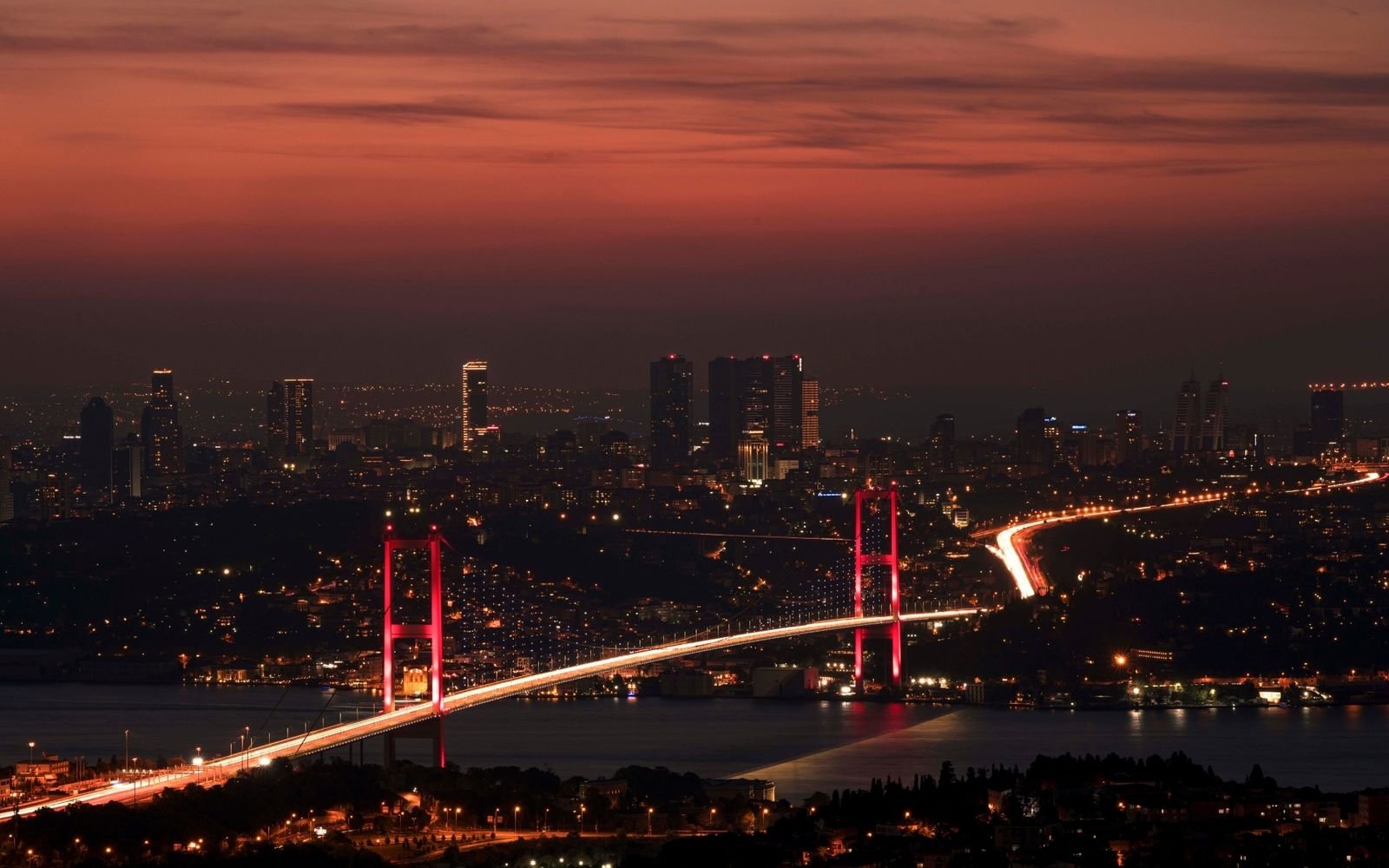
1. The Bosphorus Resonance: The Sonic Convergence of East and West
At 4:45 AM on the Galata Bridge, the line separating geography from sound dissolves into mist. Below the lower deck, the muffled low-end thud of a four-four kick drum escapes from the concrete hull of a Karaköy basement club, its sub-frequencies vibrating through salt-crusted pilings. Above, across the water from the silhouette of the Süleymaniye Mosque, the first dawn call to prayer (ezan) rises into the cold morning air, sung in the aching, microtonal melancholy of Maqam Saba. For three seconds, before the ferry engines churn the Golden Horn, the two frequencies overlap: 120 beats per minute of Teutonic low-end pressure cradling a modal vocal glissando that has echoed across this peninsula for eight centuries.
This is not a romantic travelogue; it is the acoustic ground zero of electronic music’s most lucrative contemporary evolution.
For decades, the standard historiography of dance music followed an unbending Euro-American axis: Chicago warehouse drums, Detroit machine soul, London breakbeats, and Berlin industrial techno. Yet over the past decade, as global audiences grew exhausted by sterile digital supersaws and paint-by-numbers festival drops, the center of gravity in melodic dance music pivoted dramatically east. From the sun-bleached daybeds of Scorpios Mykonos and Scorpios Bodrum to the desert plateaus of Burning Man and the cenotes of Tulum, the defining sound of global nomadic nightlife is powered by The Anatolian Code: a sophisticated fusion of ancient microtonal maqamat, ancestral Middle Eastern string and reed acoustics, and deep, hypnotic club architecture.
What began as an underground countercultural experiment in Istanbul basements and Black Sea beaches has matured into a dominant sub-genre on international dance charts. This is the story of how Anatolian musical genetics migrated from the dusty tape decks of 1970s Anatolian rock into the digital workstations of world-touring producers, reshaping the global Organic House and Melodic House landscape forever.
2. The Lineage of the Transcendent: From 1970s Psychedelia to Sufi Electronic Trance
The marriage between Anatolian acoustic heritage and progressive sound design did not begin with Ableton Live; it was forged in the political and cultural crucible of Istanbul during the late 1960s and 1970s.
CHRONOLOGY: THE EVOLUTION OF ANATOLIAN ELECTRONIC SOUND
1967–1979  │ Anatolian Rock Renaissance (Barış Manço, Erkin Koray, Selda Bağcan, Moğollar)
           │ • Electrified bağlama with custom pickup magnets
           │ • Modal psych-folk fusing Western fuzz pedals with Eastern microtones
           ▼
1998–2006  │ The Sufi-Electronic Vanguard (Mercan Dede / Arkın Allen, Baba Zula, Orient Expressions)
           │ • Integration of acoustic ney flutes, frame drums, and trip-hop/ambient house
           │ • Release of landmark albums "Sufi Dreams" (1998) and "Seyahatname" (2001)
           ▼
2014–2019  │ The Downtempo & "Desert House" Explosion (Oceanvs Orientalis, Bedouin, Viken Arman)
           │ • Slowing the tempo to 105–118 BPM; vinyl releases on Crosstown Rebels & Bar 25
           │ • Beatport establishes the Organic House / Downtempo category
           ▼
2024–2026+ │ Neo-Anatolian Global Modernism (Mahmut Orhan, Anatolian Sessions, Soir Records)
           │ • Ableton Live 12 native microtuning enables true maqam scales
           │ • Scorpios Bodrum, Cercle Cappadocia, and mainstream festival stages solidify the crossover
The Psych-Folk Pioneers
During the late 1960s, Turkish icons such as Barış Manço, Erkin Koray, and Selda Bağcan dismantled the wall between traditional rural folk music (Türk Halk Müziği) and Western psychedelic rock. Erkin Koray famously retrofitted the traditional Turkish bağlama (long-necked lute) with magnetic electric guitar pickups, birthing the elektro-bağlama—an instrument capable of wailing fuzz, tape echo, and quarter-tone intervals that Western guitars simply could not execute. Selda Bağcan’s vocal recordings from this era, combining visceral political lyricism with traditional regional scales, would decades later become prime sonic real estate for international crate-diggers, sampled by hip-hop luminaries like Mos Def (on "Supermagic") and Dr. Dre.
Mercan Dede and the Sufi Blueprint
In the late 1990s, Turkish-Canadian multi-instrumentalist and producer Mercan Dede (operating simultaneously under his electronic alias DJ Arkın Allen) laid the direct blueprint for modern Organic House. A master of the ney (the sacred end-blown reed flute of the Mevlevi Sufi order), Dede published seminal records like Sufi Dreams (1998) and Seyahatname (2001).
Dede’s radical insight was treating the spiritual trance of Sufi whirling dervishes not as museum folklore, but as a direct ancestor of late-night club culture. By underpinning mournful ney improvisations (taksim) and hypnotic bendir frame drum pulses with ambient techno pads and downtempo trip-hop breaks, he proved that ancient sacred instruments possessed an intrinsic frequency profile uniquely suited for electronic sound systems. Alongside the dub-infused electro-saz experiments of Baba Zula and the urban deep house of Orient Expressions, Istanbul had developed a complete electronic hybrid vernacular a full decade before international tastemakers coined the term "Organic House."
3. The Geographic Trinity: Istanbul Basements, Bodrum Coves, and Cappadocian Dawns
To understand why the Anatolian sound possesses such kinetic power, one must chart its geographical lifecycle across three distinct Turkish terrains: the urban pressure-cooker of Istanbul, the hedonistic luxury of Bodrum, and the surreal mysticism of Cappadocia.
THE SONIC GEOGRAPHY OF TURKISH ELECTRONIC MUSIC
┌─────────────────────────┬─────────────────────────┬─────────────────────────┐
│     ISTANBUL CLUBS      │    BODRUM BEACH CLUBS   │   CAPPADOCIA SUNRISES   │
│  The Raw Sonic Kitchen  │   The Luxury Proving    │  The Spiritual Visual   │
│  Minimüzikhol, Klein,   │         Ground          │        Benchmark        │
│   Suma Beach Legacy     │    Scorpios, Lucca,     │  Hot Air Balloon Raves, │
│                         │        Maçakızı         │   Valley Cave Pop-Ups   │
└────────────┬────────────┴────────────┬────────────┴────────────┬────────────┘
             │                         │                         │
             ▼                         ▼                         ▼
  Industrial warehouse      Acoustic warmth (118-121   Ambient drones, micro-
  percussion, gritty tape   BPM), live percussionists  tonal melodies floating
  delay, dark sub-bass,     over dynamic DJ sets, open across open geological
  high-BPM peak tension.    Aegean soundscapes.        amphitheatres at dawn.
1. Istanbul Underground: The Incubator
Istanbul's nightlife landscape operates under relentless cultural and socio-economic friction, generating an artistic urgency rarely found in western European capitals. * Minimüzikhol (Cihangir): Tucked away on an unassuming residential street in Cihangir, this 150-capacity basement has served as Istanbul’s underground beating heart for over fifteen years. Free from corporate VIP tables and commercial posturing, Minimüzikhol became the clandestine testing ground where local producers spliced vinyl samples of classical Turkish lutes over raw, minimal Berlin-style house. * Suma Beach & Suma Han: Located on the rugged Black Sea coast of Kilyos, Suma Beach pioneered marathon 36-hour weekend parties throughout the 2010s. Its famed "Forest Stage" allowed selectors to transition from deep, tribal morning house into hypnotic Anatolian downtempo as sea fog rolled over the dunes, shaping the taste of a generation of Turkish electronic artists. * Klein Phönix (Maslak): Nestled inside the industrial warehouse district of Maslak, Klein Phönix provided the colossal, arena-scale counterweight: industrial architecture, monumental Void or d&b sound systems, and a staging ground where international acts like Dixon, Keinemusik, and Âme routinely experienced the roaring intensity of the local crowd.
2. Bodrum: The Luxury Boho-Sanctuary
If Istanbul is the dark studio where the tracks are engineered, the Bodrum Peninsula is the sun-drenched coastal terrace where they achieve global commercial escape velocity. Following the lifestyle trajectory analyzed in our investigation into Boho-Luxury Club Sociology, Bodrum evolved into the premier Mediterranean summer capital for the international jet set.
In June 2024, the opening of Scorpios Bodrum on a secluded peninsula at Cennet Koyu marked a historic milestone for the region. Programming world-class acts such as Viken Arman, Sabo, and Bedouin alongside master Turkish instrumentalists, Scorpios Bodrum established an open-air acoustic sanctuary where the sound of the oud and kanun drift across saltwater infinity terraces. Alongside heritage destinations like Maçakızı in Türkbükü and Lucca Beach, Bodrum became the commercial engine where high-net-worth audiences validate Anatolian organic house as the sonic currency of modern luxury leisure.
3. Cappadocia: The Cosmic Canvas
No single visual document cemented the international mythos of Turkish melodic house more powerfully than Ben Böhmer’s live set for Cercle above Cappadocia. Floating suspended inside a hot air balloon at sunrise over the volcanic fairy chimneys of Göreme, Böhmer’s melodic house anthems—including his track "Cappadocia"—reached tens of millions of viewers worldwide.
Beyond viral broadcasts, Cappadocia’s boutique cave venues (such as Argus in Cappadocia and Sacred House) and unannounced canyon pop-ups provide a radical natural amphitheater. The ancient basalt caves act as organic acoustic resonators, offering long, natural reverberation times that complement traditional Turkish flutes and bowed lutes with zero digital emulation required.
| Venue / Setting | Location | Acoustic Profile | Key Musical Characteristics | Curatorial Vibe |
|---|---|---|---|---|
| Minimüzikhol | Cihangir, Istanbul | Low ceiling, tight brick & concrete reflections | Deep minimal, gritty Anatolian sample flips, raw 4/4 | Uncompromising, intimate underground |
| Scorpios Bodrum | Cennet Koyu, Bodrum | Open-air seaside amphitheater, tadelakt & timber | 118–121 BPM Organic & Afro House, live acoustic lutes | Barefoot ultra-luxury, sunset ritual |
| Klein Phönix | Maslak, Istanbul | Cavernous industrial warehouse, high-SPL arrays | Driving melodic techno, high-energy peak-time drops | High-production warehouse rave |
| Cercle / Valley Sets | Göreme, Cappadocia | Open-air geological canyons, natural stone echo | Cinematic downtempo, ambient soundscapes, lush leads | Ethereal sunrise mysticism |
4. The Sacred Instruments: Engineering the Anatolian Soundscape
What elevates authentic Anatolian Organic House above generic EDM with "ethnic" sample overlays is the uncompromising depth of its acoustic instrumentation. For producers and audio engineers, tracking and mixing these ancient instruments against modern club kick drums requires specialized technical discipline.
ANATOLIAN INSTRUMENT FREQUENCY FOOTPRINT IN A CLUB MIX
┌─────────────────────────────────────────────────────────────────────────────┐
│ 20 Hz      100 Hz       500 Hz        2 kHz        6 kHz        16 kHz      │
├─────────────────────────────────────────────────────────────────────────────┤
│ [Sub-Kick]                                                                  │
│            [Bendir Low "Dum"]                                               │
│                         [Oud Resonance & Body]                              │
│                                       [Electro-Saz Attack]                  │
│                                                    [Darbuka Rim "Tek"]      │
│                         [Ney Breathy Core] ───────────────► [Ney Air/Chiff] │
└─────────────────────────────────────────────────────────────────────────────┘
1. The Oud (Ud)
The fretless, 11-stringed king of Middle Eastern music. Because the oud lacks metal frets, its attack is soft, woody, and warm, defined by the plucking of an eagle-feather quill or plastic risha. * Tracking Technique: Use a matched stereo pair of small-diaphragm condenser microphones (such as Neumann KM184s) in an XY or ORTF configuration placed 30 cm from the soundboard, tilted slightly away from the sound hole (şemseler) to avoid boomy low-mid build-up around 200–250 Hz. Alternatively, pair a Royer R-121 ribbon mic on the lower body with a condenser on the 12th fret position to round off harsh pick clicks. * Mix Strategy: Carve out a narrow bell cut at 220–280 Hz to leave room for the club bassline. Add gentle tape saturation (such as UAD Studer A800) to glue the transient pluck to the sustain.
2. The Ney
Constructed from giant river reed (Arundo donax) and fitted with a water-buffalo horn mouthpiece (başpare), the ney produces an intensely breathy, mournful tone loaded with microtonal overtones. * Tracking Technique: Never position the microphone directly in front of the mouthpiece, where turbulent airflow will clip the capsule. Angle a large-diaphragm condenser (like an AKG C414 in cardioid) 45 degrees off-axis, aiming downward toward the upper tone holes. * Mix Strategy: High-pass filter aggressively at 100 Hz. Apply a dynamic EQ (such as FabFilter Pro-MB) centered around 2.8 kHz to 3.5 kHz; this reins in shrill breath transients during expressive taksim solos without dulling the magical "air" above 10 kHz.
3. The Bağlama / Saz
The soul of Anatolian bardic storytelling (Aşık tradition). Featuring movable nylon frets tied around a walnut or mulberry bowl, the bağlama allows instrumentalists to adjust fret positions to accommodate regional microtones (koma). * Tracking & Processing: If recording an electro-saz with an internal magnetic pickup, run the direct signal through an analog preamp or a vintage tape echo unit (Roland Space Echo RE-201 emulation) combined with a spring reverb. The electro-saz thrives on mild harmonic breakup, giving the melody a biting, psychedelic presence that effortlessly cuts through a dense 4/4 drum arrangement.
4. Bendir, Darbuka & Def (Frame Drums and Goblet Percussion)
Traditional percussion provides the organic polyrhythmic swing that separates Anatolian house from robotic grid music. * The Bendir: A large wooden frame drum with a goat or sheepskin head, fitted with internal gut snares that rattle against the skin. Its low fundamental note (dum) hits squarely between 65 Hz and 110 Hz. In a club mix, high-pass the bendir at 70 Hz and sidechain it lightly to your sub-bass kick to prevent phase cancellation in the master low-end. * The Darbuka: Delivers sharp, metallic high-frequency rim shots (tek) that cut through 4 kHz to 7 kHz, alongside dry, resonant center strikes.
| Instrument | Native Range | Primary Sonic Role | Studio Mic Recommendation | EQ / Dynamics Watch-Out |
|---|---|---|---|---|
| Oud (Ud) | G1 – F5 | Mid-range melodic hooks & harmonic arpeggios | Royer R-121 (body) + Neumann KM184 (neck) | Cut mud at 220–260 Hz; protect 2–3 kHz attack |
| Ney | D3 – D6 | Ethereal, spiritual top-line leads & ambient pads | AKG C414 (cardioid, 45° off-axis) | High-pass at 100 Hz; de-ess breath noise at 3 kHz |
| Bağlama (Saz) | G2 – A4 | Rhythmic chordal strumming or biting psych leads | Shure SM57 (cab) / Neumann U87 (acoustic body) | Saturate with tube/tape drive; control 4 kHz fret buzz |
| Bendir | E1 – C3 | Warm low-end acoustic pulse & snare rattle | Electro-Voice RE20 (rear skin) + KM184 (front) | Sidechain lightly against sub-kick (50–90 Hz) |
| Kanun | G1 – G6 | Cascading harp-like glissandos, microtonal fills | Matched pair Schoeps Colette MK4 (spaced pair) | Tame brittle plectrum transients at 5–6 kHz |
5. The Maqam Matrix: Cracking the Microtonal Code Over 4/4 Kicks
The primary stumbling block for Western-trained producers attempting to craft Anatolian or Middle Eastern melodic house is an over-reliance on 12-Tone Equal Temperament (12-TET). In standard Western music, the octave is mathematically divided into 12 identical semitones of 100 cents each.
In classical Ottoman and Anatolian music, this system does not exist.
Commas and the Turkish Makam System
Turkish classical music divides the whole tone not into two half-steps, but into nine commas (Holdrian commas), with the full octave spanning 53 distinct microtonal divisions (53-TET). Notes are not simply "flat" or "sharp"; they can be lowered or raised by 1, 4, 5, or 8 commas. When a traditional master plays a note like Segah or Uşşak, they are playing a pitch that lands approximately 30 to 40 cents below a Western natural note—a sound that Western ears initially misinterpret as "out of tune," but which provides the exquisite, emotional tension that defines the genre.
WESTERN EQUAL TEMPERAMENT vs. TURKISH MAKAM INTERVALS
Standard 12-TET Semitone: │─── 100 Cents ───│─── 100 Cents ───│ (Equal & Rigid)

Turkish 53-TET Commas:    │• • • • • • • • •│ (9 commas per whole tone)
                          - Koma (1 comma ≈ 22.6 cents)
                          - Bakiye (4 commas ≈ 90.6 cents)
                          - Küçük Mücenneb (5 commas ≈ 113.2 cents)
Five Essential Maqamat for Club Producers
When composing melodic house tracks destined for international dancefloors, producers lean on five foundational modes:
- Maqam Hicaz (Hijaz): The gateway scale for dance producers. Formed by a root note, a minor second, a major third, and a perfect fourth (e.g., D – Eb – F# – G). The dramatic 1.5-step jump between the 2nd and 3rd degrees creates an intoxicating, serpentine tension that sits naturally over a minor 4/4 bass groove.
- Maqam Rast: The structural cornerstone of Eastern music. Similar to a major scale, but featuring a microtonally flattened third and seventh degree (lowered by approximately 35–40 cents, or 3–4 commas). It conveys majesty, calm, and grounding.
- Maqam Saba: The ultimate expression of longing (hüzün). Saba uses an elusive microtonal second degree, a minor third, and crucially, a flattened fourth degree (lowered by a half-step) that creates a suffocating, deeply spiritual gravity. When dropped over an unhurried 118 BPM kick, Saba evokes instantaneous emotional release.
- Maqam Nihavend: The Eastern equivalent of the Western harmonic minor scale (Root, 2nd, minor 3rd, 4th, 5th, minor 6th, major 7th). Because it contains no microtones, Nihavend is the easiest mode to combine with Western polyphonic synth pads and analog chord progressions.
- Maqam Uşşak (Oushak): Built on a microtonally lowered second degree (1.5 commas flat), Uşşak is the emotional core of Anatolian folk ballads (türkü). It creates a bittersweet, nostalgic mood that drives many of the most memorable sunset anthems on the Aegean coast.
Producing Maqamat in Ableton Live 12 and Modern DAWs
Prior to 2024, programming authentic microtonal scales required tedious pitch-bend automation or specialized, clunky third-party Max for Live plugins.
With the release of Ableton Live 12, microtonal architecture became a native feature of the DAW. By integrating native Scala file (.scl and .ascl) support directly into its core Tunings library, Live 12 allows producers to drag and drop authentic Arabic and Turkish Maqam scale files directly into the master project. Built-in synthesizers (like Drift, Wavetable, and Meld) automatically retune all MIDI notes to the exact historical comma intervals.
For producers working across third-party VSTs (such as Spectrasonics Omnisphere, u-he Diva, or Native Instruments Kontakt), the industry standard is MTS-ESP (developed by ODDSound in collaboration with Aphex Twin). By placing the MTS-ESP Master plugin on an idle channel, every compatible synthesizer across your entire session automatically locks to the microtonal maqam grid in real time, eradicating dissonant tuning clashes forever.
6. The Rhythmic Architecture: Aksak Polyrhythms and 4/4 Dancefloor Gravity
While melodies provide the spiritual identity of Anatolian organic house, the percussion engine supplies its kinetic propulsion. Anatolian folk tradition is famous for its Aksak ("limping" or asymmetrical) time signatures:
- 9/8 Meter: Divided internally as
2 + 2 + 2 + 3(frequently heard in Turkish Thracian and Romani wedding dances) or3 + 2 + 2 + 2(Zeybek style). - 7/8 Meter: Divided as
3 + 2 + 2or2 + 2 + 3(Black Sea Horon style). - 5/8 Meter: Divided as
3 + 2or2 + 3.
TRANSLATING 9/8 AKSAK PERCUSSION OVER A 4/4 CLUB GRID
Kick Drum (4/4):    [KICK]          [KICK]          [KICK]          [KICK]
                    1   .   2   .   3   .   4   .   1   .   2   .   3   .   4   .
Darbuka (9/8 Loop): [dum-tek-tek]  [dum-tek-tek]   [dum-tek-tek]  [DUM-TEK-TEK-TEK]
                    ▲ Polyrhythmic phase displacement creates natural groove friction ▲
The 4/4 Translation Protocol
A pure 9/8 or 7/8 rhythm will confuse a Western club dancefloor expecting a predictable four-on-the-floor pulse. The production breakthrough engineered by Turkish and Middle Eastern organic house producers is polyrhythmic displacement:
- The Anchor: Lock your kick drum, sub-bass, and primary open hi-hat to a standard, unyielding 4/4 grid at 118 to 122 BPM.
- The Asymmetric Layer: Introduce a secondary percussion stem (such as a live darbuka, def, or finger cymbal loop) tracked in an odd meter (e.g., a 9/8 pattern). Allow this loop to float freely over the 4/4 kick. Because 9 eighth-notes against 8 eighth-notes create a rotating phase shift, the accent of the darbuka will land on a different fraction of the beat on each successive measure, resolving back to the downbeat only once every nine bars.
- The Micro-Timing Swing: Avoid setting your DAW's groove pool to a mechanical 16th-note swing. Live Anatolian percussionists play with a "push-pull" dynamic, where the offbeat ghost notes (tek) are delayed by 15 to 30 milliseconds (mirroring a 56% to 61% groove shuffle). This micro-timing friction gives the groove a human, sensual sway that keeps dancers locked in a trance for hours without rhythmic fatigue.
7. The Global Vanguard: Producers, Labels, and Commercial Scale
Over the past seven years, The Anatolian Code transitioned from esoteric festival tents to the main stages of Coachella, Tomorrowland, and Ultra Music Festival. This commercial ascendance was propelled by a vanguard of visionary producers and cross-continental labels.
Key Trailblazers
- Oceanvs Orientalis (Şafak Özkütle): The intellectual pioneer of Anatolian electronic minimalism. Operating under the guiding philosophy that "everything comes from the East," Özkütle's milestone releases on labels like Crosstown Rebels and Bar 25 dismantled traditional dance formulas, weaving archaeological field recordings, dusty bağlama riffs, and unhurried downtempo grooves into high art.
- Mahmut Orhan: The commercial titan who bridged Eastern acoustics with global streaming numbers. His breakout single "Feel" (featuring Sena Şener) racked up hundreds of millions of plays and established the template for cinematic, string-laden Middle Eastern deep house. In recent years, Orhan has evolved his sound toward darker, high-energy melodic house and techno, rocking marquee stages at Coachella and Ultra while retaining his signature Anatolian harmonic identity.
- Bedouin (Tamer Malki & Rami Deejay): Although based in Brooklyn and Miami, the duo behind the world-renowned Saga residency at Pacha Ibiza and Scorpios integrated Middle Eastern maqamat into deep, hypnotic desert house, cementing this sonic palette as the gold standard of high-end bohemian nightlife.
- Anatolian Sessions & Zuma Dionys: Underground stalwarts whose vinyl and digital catalogs explore deep, driving, Shamanic-infused Anatolian Downtempo, championed by global tastemakers and Burning Man art cars alike.
The Beatport Phenomenon
When Beatport officially established Organic House / Downtempo as an independent genre category in 2020, it formalized what industry insiders already knew: melodic, culturally rooted mid-tempo music was outselling conventional commercial house across mature demographics. With labels like Sol Selectas (helmed by Sabo), All Day I Dream (Lee Burridge), Bar 25 Music, and Scorpios Music dedicating substantial release schedules to Anatolian and Levantine producers, the genre commands some of the highest track-retention and digital sale rates on the platform.
THE ORGANIC HOUSE STREAMING & CONSUMPTION ECOSYSTEM
┌─────────────────────────────────────────────────────────────────────────────┐
│ High-End Hospitality Curation (Scorpios, Soho House, Nammos, Bagatelle)    │
│                                      │                                      │
│                                      ▼                                      │
│ Shazams in Beach Clubs ──► Spotify "Organic House" & "Desert Lounge" Lists  │
│                                      │                                      │
│                                      ▼                                      │
│ Beatport Chart Dominance ──► Sync Licensing (Luxury Travel, Fashion, Auto)  │
│                                      │                                      │
│                                      ▼                                      │
│ International Booking Premium (€10,000 – €75,000+ per headline club set)   │
└─────────────────────────────────────────────────────────────────────────────┘
8. The Soir Records Blueprint & What This Means for You in 2027
As we approach 2027, the Anatolian and Middle Eastern organic house movement stands at a critical stylistic juncture. The first phase of global adoption was marred by lazy cliches: low-budget "carpet bazaar" Splice loops, sterile software synth patches simulating an oud with zero microtonal awareness, and generic four-bar vocal chants pasted over generic tech-house drops.
Dance music audiences have matured. Tastemakers and clubgoers alike are rejecting hollow "orientalist" pastiches in favor of Neo-Anatolian Minimalism and Radical Authenticity.
The 2027 Production Rules
For modern producers seeking to sign with top-tier labels, the bar has shifted dramatically: 1. Ditch the Stock Sample Pack: Nothing flags an amateur demo to an A&R team faster than a widely circulating sample loop from commercial sample libraries. If you cannot record a live master instrumentalist in person, hire session musicians remotely via platforms like Musiversal or SoundBetter to track authentic taksim solos over your chord progression. 2. Master Microtonal Tuning: Utilize native Live 12 tuning systems or MTS-ESP. Ensure that your synth leads, basslines, and sampled instruments adhere to the specific intervals of your chosen maqam. 3. Respect the Space: Anatolian music relies heavily on hüzün—the beauty found in space, grief, and longing. Over-arranging a track with eight competing melodic lines suffocates the groove. Strip your production down to a relentless, swinging low-end, one hypnotic percussion layer, and a single, breathtaking acoustic lead.
At Soir Records, our artistic identity is rooted in this exact sonic crossroads. Headquartered at the cultural bridge between East and West, Soir is committed to curating Afro House, Melodic House, and Organic House that honors ancestral heritage while engineering tracks engineered to dominate world-class sound systems from Bodrum to Brooklyn. The future of dance music does not belong to synthetic imitation; it belongs to artists who crack the code of their own cultural lineage and transmit it into the infinite night.
Key Takeaways
- The Anatolian Genesis: Global Organic House and Melodic House owe their sonic DNA to the pioneering experiments of 1970s Anatolian rock (Erkin Koray, Barış Manço, Selda Bağcan) and the late-1990s Sufi-electronic fusions of Mercan Dede.
- The Living Geography: The genre is nurtured across three complementary environments: the raw underground energy of Istanbul (Minimüzikhol, Suma legacy, Klein Phönix), the boho-luxury beach clubs of Bodrum (Scorpios Bodrum, Lucca Beach, Maçakızı), and the visual-acoustic mysticism of Cappadocia.
- Engineering Sacred Instruments: Capturing acoustic instruments like the oud, ney, and bağlama demands dedicated miking techniques (such as ribbon mics to tame 3 kHz transients) and careful low-end frequency management to coexist cleanly with club sub-bass.
- The Maqam Matrix: Traditional Anatolian music uses 53 commas per octave rather than Western 12-TET. Understanding key modes like Hicaz, Rast, and Saba—and using native microtuning tools in Ableton Live 12 and MTS-ESP—is essential for authentic production.
- Aksak Polyrhythms: Producers create hypnotic dancefloor grooves by translating traditional asymmetric time signatures (such as 9/8 and 7/8) into polyrhythmic percussion layers layered over a steady 4/4 kick drum with humanized micro-timing swing.
FAQ
What is Anatolian Organic House?
Anatolian Organic House is a sub-genre of electronic dance music that fuses the deep, hypnotic rhythms of house music (typically produced between 115 and 122 BPM) with traditional acoustic instruments (such as the oud, ney, bağlama, kanun, and bendir) and microtonal scales (maqamat) native to Turkey, the Levant, and the broader Middle East.
How do producers use microtonal Turkish makam scales in modern DAWs?
In modern digital audio workstations like Ableton Live 12, producers can load native Scala (.scl or .ascl) tuning files directly into the project's Tunings browser, which automatically retunes native software instruments to traditional comma-based microtones. For third-party plugins, systems like ODDSound’s MTS-ESP allow project-wide retuning across all compatible VSTs and hardware synthesizers simultaneously.
What is the difference between equal temperament and the Turkish makam system?
Western Equal Temperament (12-TET) divides the octave into 12 equal semitones of 100 cents each. In contrast, the classical Turkish music system divides the octave into 53 Holdrian commas, allowing notes to be adjusted by micro-intervals (such as quarter-tones or comma-flats/sharps). This microtonal flexibility gives maqam melodies their distinctive emotional depth, ornamentations, and modal tension.
Where are the key venues for experiencing Anatolian electronic music in Turkey?
In Istanbul, premier venues include intimate underground basements like Minimüzikhol in Cihangir, the open-air festival spaces inspired by the Suma Beach legacy in Kilyos, and industrial warehouse clubs like Klein Phönix. During the summer season, the epicenter shifts to the luxury beach clubs of the Bodrum Peninsula—including Scorpios Bodrum, Lucca Beach, and Maçakızı—as well as sunrise gatherings across the unique geological terrain of Cappadocia.